Solo Road Trip Checklist for Driving Alone
Create a realistic driving day, share a simple check-in plan, and pack a car you can manage by yourself.
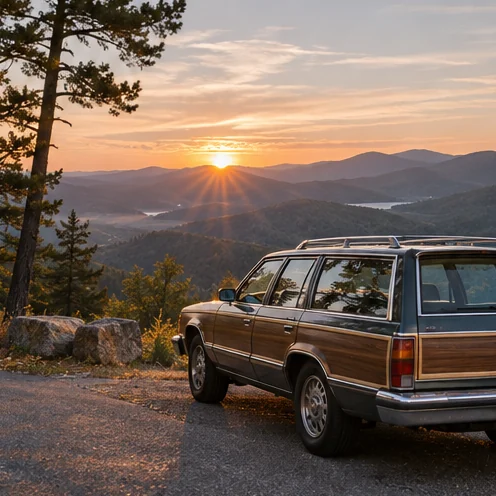
For a solo road trip, set a daily end point and a closer backup before you leave. Share both with someone you trust, keep turn-by-turn directions and a paper backup available, and schedule breaks. Driving alone means nobody can take the next shift. Shortening a day that’s going badly is part of a workable plan.
Set up your driving day
Start with the map’s drive time and add time for food, refueling, traffic and stops. If you’re new to solo travel, try a four-hour map day first and see how it feels. For example, a four-hour route can turn into a five-hour outing with two short stops and a lunch break. Choose a town or lodging option before the last long stretch, especially when services are sparse.
Get a full night’s sleep. Take a break before you feel worn down and stop if you’re getting sleepy. NHTSA notes that caffeine alone may not keep a seriously tired driver alert; the agency advises pulling over to a safe place when drowsy. NHTSA drowsy-driving guidance
Make a simple check-in plan
Share the route corridor, likely overnight address, and expected arrival window with a trusted contact. Agree that you’ll check in while parked and decide what the contact should do if you miss the agreed window. If the route changes, send the update at the next stop. Save roadside-assistance details, lodging addresses and an emergency contact on paper as well as in the phone.
A trip need not be tracked publicly. Limit shared details to people who need them. Before entering a known dead zone, tell your contact when you expect to regain service and how long they should wait for another update.
Pack what you can lift and find alone
- Use one light overnight bag for the next stop rather than a suitcase you can’t comfortably lift in a parking lot.
- Keep medication, water, a charged phone and the right cable in predictable places. Store loose items while driving.
- Put the route note and roadside details in a closed pocket. Download maps in advance.
- Leave room for luggage to sit low and secure. Repack while stopped if an item moves.
A small day bag and two charging options are easier to keep track of than separate loose accessories.
FAQ
What if I start slipping behind schedule? Use your backup end point. Book or reroute once parked, then send a revised arrival window.
Can I solve fatigue with longer stops? If you’re drowsy, get off the road safely and reevaluate. Plan another driver, a shorter day, or overnight sleep when needed. Resume only when you’re able to drive alert.